Aging in place is the goal for many Reading homeowners. But it requires taking certain risks seriously, and falls are near the top of that list.
Falls are the leading cause of fatal and non-fatal injuries among Americans 65 and older. Each year, around 38,000 older adults die from fall-related injuries nationwide, according to data from 2021, and more than 3 million are seen in emergency departments.
In this article, we’ll explore fall-related risks, what you can do to reduce them, and how to make decisions for your future.
Why Do We Fall More as We Age?
Falls are not random accidents. They follow patterns, and understanding those patterns is the first step toward stopping them.
Aging gradually changes the body in ways that reduce stability, muscle mass decreases, joints stiffen, balance systems slow, and vision sharpens less quickly in changing light. Chronic conditions that are common among Berks County seniors, such as arthritis, diabetes, heart disease, and inner ear problems, add to that instability. Medications prescribed for those conditions can introduce their own risks: blood pressure drugs that cause a head rush when standing up, sleep aids that leave someone groggy at 2 a.m., and antidepressants that affect coordination.
Seniors and their families should ask their doctor or pharmacist directly: could any of these prescriptions be increasing fall risk? It’s a question that often leads to a simple dosage adjustment that makes a noticeable difference.
Then there’s the fear factor. After a fall, or even a close call, many older adults start moving less, gripping walls, and avoiding stairs. The instinct is understandable, but reduced activity weakens the muscles they rely on most. Staying cautious and staying strong are not the same thing.
Where Do Falls Happen?
Nearly all senior falls happen at home. In Reading, where many seniors live in older rowhouses and twin homes, certain features of the housing itself deserve attention — narrow stairwells, steep steps, old tub-only bathrooms, and uneven brick or concrete outside the front door.
The most common locations:
- Bathrooms: The combination of wet surfaces, confined spaces, and the physical effort of bathing makes this the highest-risk room in any home
- Stairways: Older Reading homes often have steep, narrow stairs with a single rail or none at all. Poor lighting makes this worse.
- Living areas: Rugs that slide, furniture arranged too tightly, and cords crossing walkways are constant hazards
- Kitchens: Reaching high shelves, bending to low cabinets, and wet floor surfaces all contribute
- Outside and at the front door: Brick steps, uneven sidewalks, and limited outdoor lighting are common features of Reading’s older neighborhoods, and they become especially dangerous in wet or icy conditions
Examples of Home Improvements That Can Reduce Fall Risks
The good news is that most hazards can be addressed without a major renovation. These are the changes with the highest impact:
Bathroom
- Install grab bars beside the toilet and inside the shower or tub, bolted into the wall properly, not suction-mounted
- Apply non-slip strips or a mat to the tub and shower floor
- A shower chair eliminates the need to stand for the full duration of bathing
- A raised toilet seat helps seniors with limited knee or hip strength sit and rise more safely
Stairways and Hallways
- Add a second handrail if only one exists; this is especially worth doing in older Reading rowhouses, where staircases are narrow
- Improve lighting on stairways with brighter bulbs or motion-activated fixtures
- Mark the edge of each step with contrast tape if the steps are a uniform color and hard to distinguish
Throughout the Home
- Remove loose rugs or anchor them completely; partially secured rugs are worse than no rug at all
- Create clear, wide pathways between rooms by rearranging or removing furniture
- Relocate daily essentials to shelves between waist and shoulder height
- Nightlights in every hallway and bathroom, fall spikes during nighttime trips
Outside
- Repair cracked brickwork, uneven concrete, or unstable porch steps
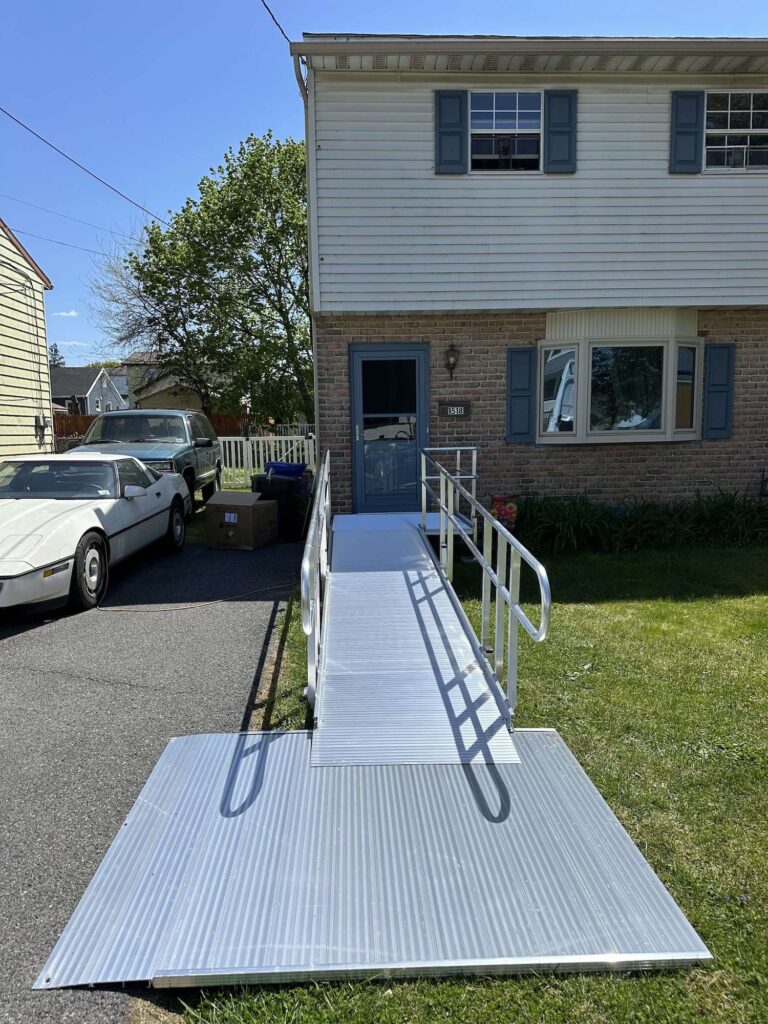
- Add a railing to every set of steps, including the single step at the front door that often gets overlooked
- Motion-sensor lights at entryways and along walkways
- Salt or sand icy surfaces before winter weather hits, not after
Staying Physically Strong
Home improvements only go so far. Physical fitness is what gives seniors the strength and balance to recover from a stumble rather than go down hard.
- Tai Chi is one of the best-studied fall prevention activities available. It improves body awareness, balance, and coordination through slow, controlled movement, and it’s accessible to most fitness levels. Reading-area senior centers and community programs periodically offer classes worth looking into.
- Physical therapy is particularly valuable for any senior who has already had a fall or who feels noticeably unsteady. A physical therapist can pinpoint the specific deficits, whether it’s hip weakness, ankle instability, or poor gait mechanics, and build a plan around them.
- Strength and resistance training don’t require a gym. Exercises with resistance bands or light weights done at home a few times a week can meaningfully preserve leg strength over time.
A physician should be consulted before starting anything new, particularly for seniors with existing cardiovascular or joint conditions.
The Details People Overlook
- Footwear. Inside the house, seniors are most often in socks, slippers, or nothing at all, all of which increase fall risk significantly on smooth floors. Supportive shoes with non-slip soles and a secure fit should be the standard, not just for going outside.
- Annual eye exams. Vision changes happen gradually enough that many seniors don’t notice until something goes wrong. New prescriptions, early cataracts, or changes in depth perception all affect how safely someone moves through their home. An annual exam keeps this risk in check.
- Medical alert devices. A personal emergency response system means that if a fall does happen, help is nearby. Newer devices with automatic fall detection don’t even require the wearer to press a button; they alert emergency contacts on their own.
Signs You May Need In-Home Care
For many Reading-area seniors, the tipping point isn’t a fall, it’s noticing that daily routines have quietly become harder to manage. Some signs worth paying attention to:
- Bathing or getting dressed takes longer, feels less safe, or gets skipped
- Medications are easy to lose track of or forget
- Housekeeping has fallen behind, and floors and walkways are harder to keep clear
- Cooking and grocery shopping feel like more effort than they’re worth
- Getting to appointments, such as therapy, eye exams, and the doctor, has become a barrier
If several of these sound familiar, it’s worth a conversation with a doctor or the Berks County Area Agency on Aging (berksaa.com), which can connect you with vetted local care providers.
Resources in Reading and Berks County
- Berks County Area Agency on Aging: Home modification programs, caregiver support, and local senior services
- Tower Health / Reading Hospital: Physical therapy, fall assessments, orthopedic care, and a range of senior health services
- Olivet Boys & Girls Club Senior Services / Reading Senior Center: Community programming and wellness resources for older adults in Reading
- AARP Pennsylvania: Fall prevention workshops and senior advocacy resources
- Pennsylvania PACE/PACENET: Prescription cost assistance for Berks County seniors managing multiple medications
One Conversation Can Change Things
Most falls follow a pattern: a hazard that was there for months, a moment of reduced steadiness, and not enough in the home to catch either one. The good news is that the pattern is usually visible in advance if someone looks.
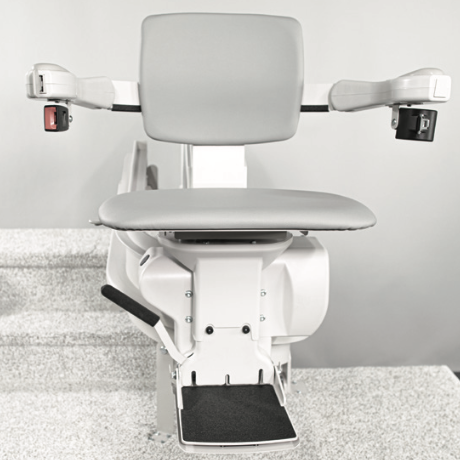
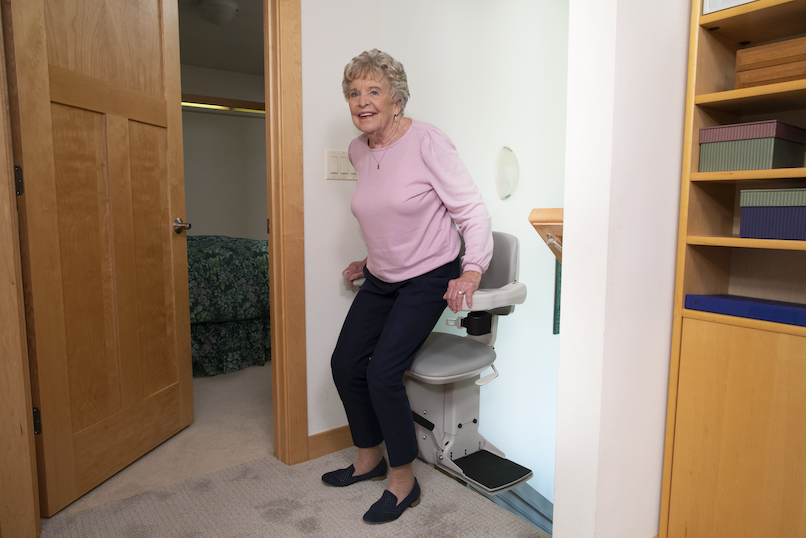
Independent Home Solutions offers free in-home assessments for Reading and Berks County residents. We’ll walk through your home, identify what’s most worth addressing, and give you a clear picture of the actual costs for stair lifts, walk-in shower conversions, or other modifications. No pressure, no obligation.
Call (717) 393-8213 or use our free estimate tool to schedule yours.