Aging in place is often the goal for many homeowners. With the rising costs of assisted living, the benefits of remaining in your neighborhood, proximity to family, and the independence that comes with managing your own space are worth protecting.
But falls are one of the most significant threats to that independence, and they happen more often than most people expect.
Falls are the leading cause of fatal and non-fatal injuries among adults 65 and older in the United States. 1 in 4 reports a fall each year, and more than 3 million are treated in emergency departments annually.
The encouraging part: most falls are preventable. In this guide, we’ll explore how to prevent falls in Harrisburg homes.
What Causes Falls?
There’s a tendency to chalk falls up to bad luck or a simple misstep. In reality, they’re almost always the result of multiple factors layering on top of each other, a slippery floor, a medication that causes dizziness, and reduced leg strength, all combining at the wrong moment.
Physical changes that come with age, declining muscle mass, slower reflexes, reduced flexibility, and changes in depth perception raise the baseline risk. Add in conditions like arthritis, diabetes, or Parkinson’s disease, which are common among Harrisburg-area seniors, and the margin for error gets smaller. Medications are an underappreciated piece of the puzzle. Blood pressure drugs, sleep aids, and certain antidepressants can all cause lightheadedness or unsteadiness. A conversation with a doctor or pharmacist about fall-related side effects is worth having every year.
One more factor worth naming: the fear of falling. Seniors who have already experienced a fall (or a close call) often start moving less to stay safe. Less movement leads to weaker muscles, which in turn increases the risk of falling. It’s a cycle that can be interrupted, but it takes intentional effort.
Where Do Falls Commonly Occur?
The vast majority of senior falls happen at home, not out in the world. Here are the most common spots:
- Bathrooms: Between wet surfaces, the physical demands of bathing, and the need to step in and out of a tub, the bathroom is the most dangerous room in the home for older adults
- Stairways: Especially those with only one handrail, poor lighting, or steps that are worn or uneven
- Living areas and bedrooms: Loose rugs, power cords, and furniture placed too close together create constant low-level trip hazards
- Kitchens: Reaching for items on high shelves or bending to low cabinets are common precursors to a fall
- Outdoors and entryways: Harrisburg’s winters bring ice and snow, and its older housing stock often means steps and walkways that haven’t been updated in decades
How Can You Make Your Home Safer?
Addressing these hazards doesn’t require a major renovation. Most changes are low-cost and can be done over a weekend.
Bathroom
- Mount grab bars next to the toilet and inside the shower; they should be anchored into studs, not pressure-mounted
- Lay non-slip mats or apply adhesive strips to the tub and shower floor
- Use a shower chair or bench so bathing doesn’t require long periods of standing
- A raised toilet seat can make a significant difference for seniors with limited hip or knee strength
Throughout the Home
- Pull up loose rugs or replace them with non-slip versions secured at every edge
- Rearrange furniture to create wide, clear walking paths
- Move commonly used items to shelves and cabinets between waist and shoulder height
- Add nightlights to every hallway and bathroom; falls increase when seniors get up in the dark
- Both sides of every staircase should have a handrail
Outside
- Fill or repair cracks in sidewalks and steps
- Install a railing wherever there are steps, including single-step entries
- Use motion-activated lighting at the front door, driveway, and back entry
- During winters, pre-treat walkways with salt or sand before ice forms (not after)
Exercise and Physical Health to Reduce Fall Risks
No home modification compensates for physical decline. Keeping muscles strong, joints flexible, and balance sharp is the best long-term protection against falls, and it’s never too late to start!
Tai Chi has one of the strongest evidence bases among fall-prevention activities. It’s low-impact, adaptable to different ability levels, and improves both balance and body awareness. Several Harrisburg-area senior centers and community organizations offer classes.
Physical therapy is worth pursuing for any senior who has already fallen or who feels unsteady. A PT can identify specific weaknesses in gait or balance and develop a targeted plan to address them.
Strength training, even light resistance work with bands or weights, helps preserve the leg strength that makes getting up from a chair, stepping over a threshold, or catching yourself from a stumble possible.
Before starting anything new, a conversation with a primary care physician is always a good idea.
Small Improvements That Can Have Big Impacts
Shoes matter. Worn-out soles, loose slippers, and socks on hardwood floors cause more falls than most people realize. Seniors should wear supportive shoes with non-slip rubber soles and a secure fit, even inside the house.
Eye exams should happen every year. Vision changes, including new prescriptions, cataracts, or shifts in depth perception, are often gradual enough to go unnoticed, but they affect how safely a senior moves through their home.
A medical alert device gives everyone peace of mind. If a fall does happen, being able to call for help immediately or having a device that detects the fall automatically can be the difference between a short recovery and a serious one.
Signs You May Need In-Home Care
Professional in-home care isn’t just about help with daily tasks; it directly reduces fall risk by eliminating the rushed, unsteady moments when falls are most likely.
Signs it may be time to consider in-home care:
- Difficulty bathing, dressing, or grooming safely without rushing or overreaching
- Missed or mixed-up medications
- A home that’s become cluttered or harder to keep up with
- Skipping meals or struggling with cooking and grocery runs
- Reduced mobility that makes getting to appointments difficult
If any of these apply, connecting with a local home care agency or your doctor is a good next step. The Dauphin County Area Agency on Aging is a good starting point for finding vetted local providers.
Types of Home Modifications
If navigating your home feels less certain than it used to (or if a fall has already happened) home modifications can make a meaningful difference before the next close call.
At Independent Home Solutions, we help Harrisburg-area seniors make their homes safer and more accessible through:
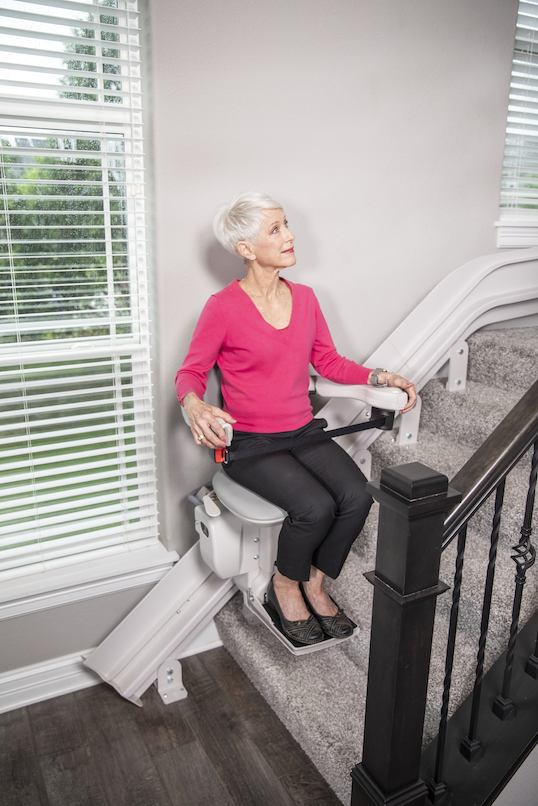
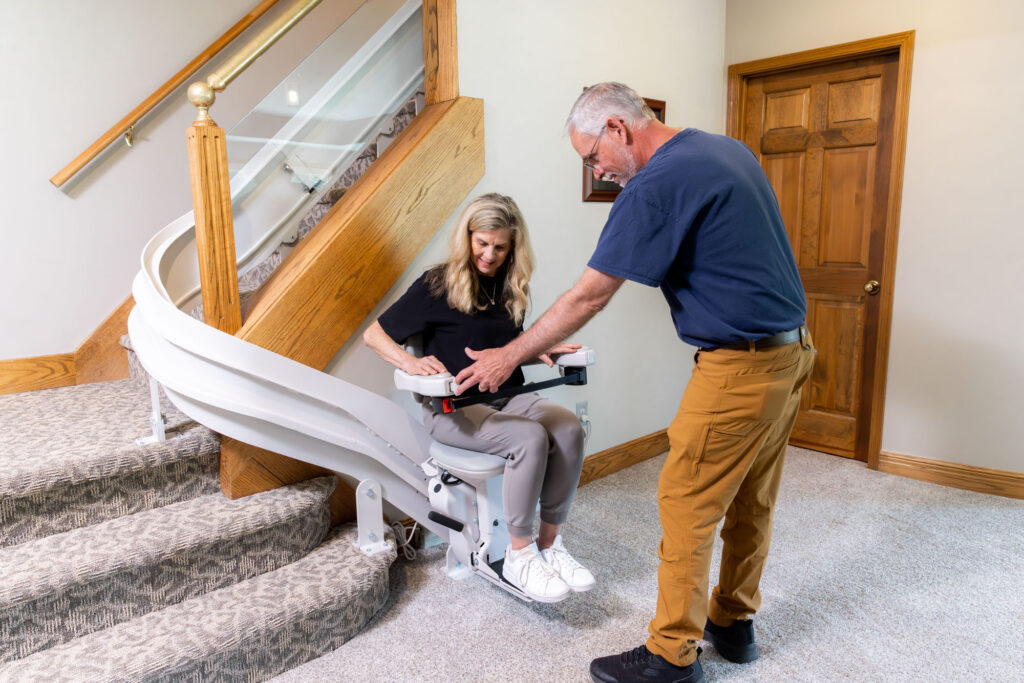
- Stair lifts to safely get between floors without relying on the stairs
- Walk-in shower conversions that eliminate the step-over hazard of a traditional tub
- Grab bars and support rails are installed securely where you need them most
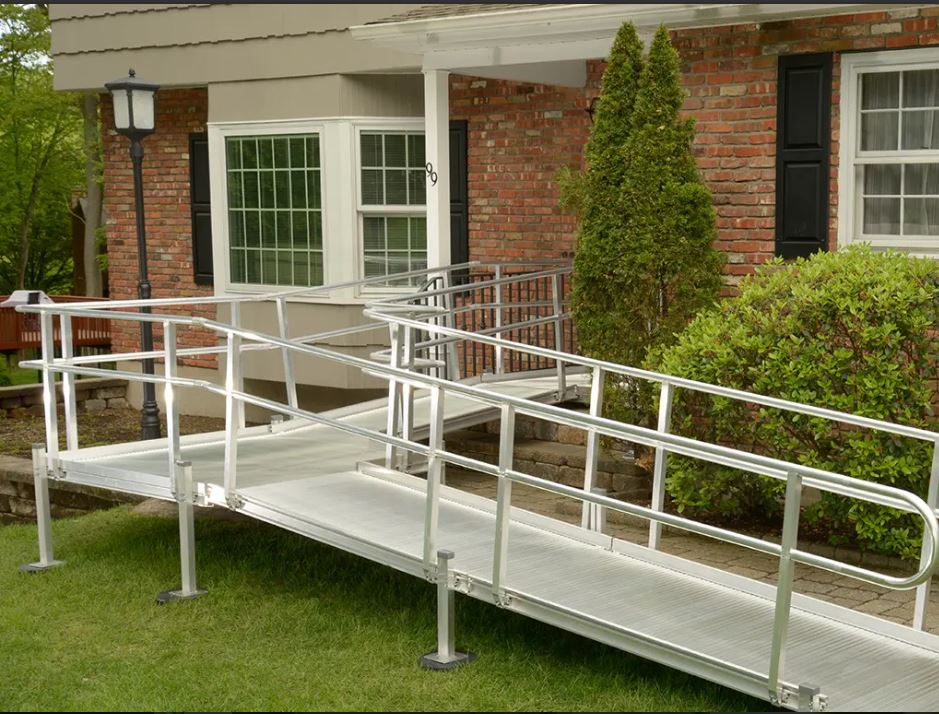
- Wheelchair ramps for safer entry and exit from the home
We offer free in-home assessments and work with a licensed physical therapist who reviews all modification plans to ensure they’re well-suited to your home and needs.
Local Resources in Harrisburg, PA
- Dauphin County Area Agency on Aging: Home modification assistance, caregiver support, and connections to local services
- UPMC Pinnacle / Penn State Health: Physical therapy, fall risk assessments, and orthopedic care in the greater Harrisburg area
- Jewish Community Center of Greater Harrisburg: Fitness and wellness programming for older adults
- Capitol Area Transit (CAT): Transportation options for seniors who need to get to appointments safely
- AARP Pennsylvania: Fall prevention resources and workshops
- Pennsylvania PACE/PACENET: Prescription assistance for seniors managing medication costs
Let’s Talk
A fall can change everything, but most of them don’t have to happen. If you’re a Harrisburg-area senior or the family member of one, the best time to address fall risks at home is before an incident occurs, not after.
Independent Home Solutions offers free in-home assessments for families throughout the Harrisburg area. We’ll walk through your home, identify what modifications would help most, and give you a clear, no-pressure quote. Call us at (717) 393-8213 or use our free estimate tool to get started.