Falls are the leading cause of injuries among Americans aged 65 and older. According to the CDC, about 3 million older adults are treated in emergency departments for fall injuries each year.
These statistics reflect many older adults living independently in their homes. The encouraging truth is that most falls are preventable. With some awareness, a few home changes, and the right support, seniors in York, PA can keep living safely in the homes they love.
Why Do Falls Happen?
Falls typically result from a mix of factors. From less muscle strength and poor balance that decline with age to slower reaction time and poorer vision.
Chronic illness can also contribute to falls, such as arthritis, osteoporosis, or Parkinson’s disease. Some medications may also contribute to falls, such as sedatives/sleep medications, blood pressure pills, or antidepressants, which can cause dizziness.
Doctors should review your medications yearly to check if there’s any cause for concern.
There’s also another factor. Many aging adults who have fallen begin limiting their activity out of fear, which leads to muscle weakening that ironically raises their risk even further.
What Are the Most Common At-Home Hazards?
Most falls happen at home during ordinary daily activities. Here are the biggest danger zones:
- Bathrooms: Slippery floors, wet surfaces, and the physical demands of bathing make this the highest-risk room in the house. Walk-in showers or bathtubs designed for aging can reduce the risk of falls in the bathroom, and mobility supports such as grab bars.
- Stairways: Staircases are already tricky to navigate, and poor lighting or missing handrails can increase the risk.
- Loose rugs and clutter: Throw rugs, power cords, and items on the floor create tripping hazards in rooms.
- Poor lighting: Dark hallways and stairwells make hazards invisible, especially during nighttime trips to the bathroom.
- Outdoor entryways: Uneven walkways, steps without rails, and icy surfaces are especially dangerous during York’s winters.
What Home Modifications Can Make a Difference?
Most hazards are inexpensive and easy to fix. Here are the highest-impact changes to make:
1. Bathroom Modifications
- Install grab bars beside the toilet and inside the shower or tub. They should be properly anchored (not suction-cup style).
- Add non-slip mats or adhesive strips to the tub or shower floor for better grip.
- Use a shower chair or bench to reduce prolonged standing and prevent dizziness or falls due to fatigue. Walk-in showers and bathtubs typically have built-in seating to reduce the risk of falling.
- Consider a raised toilet seat to make sitting and standing easier and reduce strain.
2. Modifications Throughout the Home
- Remove loose rugs or secure them with non-slip backing.
- Keep everyday items within easy reach to eliminate unnecessary bending or climbing.
- Install nightlights all over the house, particularly where you’re walking at night (in hallways, bathrooms, and bedrooms).
- Make sure stairways have sturdy handrails on both sides. You can also install grab bars in high-traffic areas.
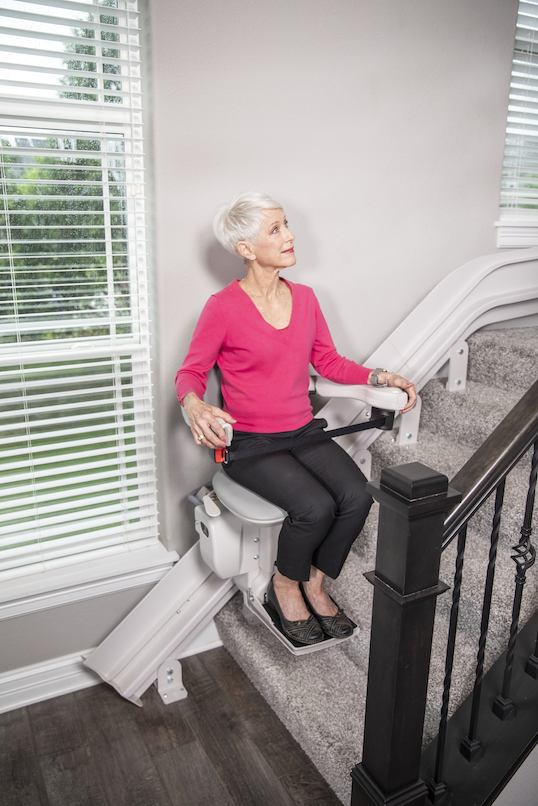
- Install a stair lift to get up and down the stairs if you can no longer do so safely.
3. Updates to Outside and at Entryways
- Repair uneven sidewalks, steps, or porch surfaces and ensure evenness.
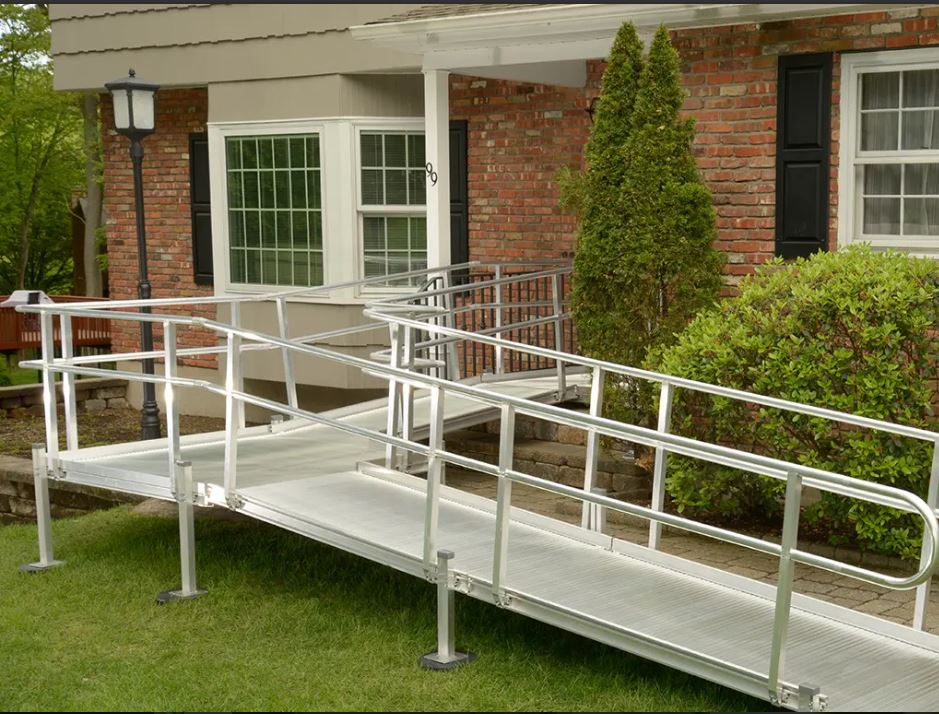
- Add a railing to all outdoor steps, even just one or two.
- Install motion-sensor lighting near walkways and driveways so you can see at night.
- Keep paths clear of leaves, snow, and ice year-round. Hire services or ask neighbors for help if needed.
Exercise: The Best Long-Term Defense
Home modifications make your home safer, but as you age, your physical condition matters just as much.
Regular exercise that builds strength, balance, and flexibility is one of the most effective fall prevention tools available. Exercises to help prevent falls include:
- Strength Training: Simple resistance exercises help maintain the leg strength needed for stable walking and standing, even with dumbbells weighing just a few pounds.
- Tai Chi: Tai Chi is a gentle movement exercise (and meditation exercise) consistently shown to reduce falls by improving balance and coordination.
- Physical Therapy: A licensed physical therapist can assess gait and balance and design a plan targeting specific weaknesses. They’ll typically recommend strength-training exercises but may also suggest cardio, such as swimming or walking.
Aging adults should check with their doctor before starting a new program, but the message is simple: stay active.
Don’t Overlook the Small Things
- Footwear matters more than most people realize. Socks on smooth floors, loose slippers, and backless shoes all increase the risk of falls. York seniors should wear shoes with non-slip rubber soles, low flat heels, and secure closures, even indoors.
- Annual eye exams are essential. Poor vision, outdated prescriptions, and depth perception issues from bifocals all raise fall risk. Any changes in vision should be addressed promptly.
- Medical alert devices add a critical safety net. Personal emergency response systems (PERS) allow a senior who has fallen to call for help immediately. Many newer devices include automatic fall detection, alerting contacts even if the wearer can’t press the button.
Local Resources for York, PA Seniors
- York County Area Agency on Aging: Home modification assistance and local senior services, including support for daily living activities.
- WellSpan Health: Physical therapy, fall risk assessments, and chronic disease management
- AARP Pennsylvania: Fall prevention programs and workshops available throughout the year.
- Pennsylvania PACE/PACENET: State pharmaceutical assistance for seniors managing medication costs.