Falls are common amongst aging adults in America and are the leading cause of injuries of those aged 65 and older. According to the CDC, more than 3 million older adults are treated in emergency departments for fall injuries each year.
The good news? Most falls are preventable. With the right awareness, practical changes, and support, Lancaster-area seniors can continue to live safely and independently for years to come.
In this article, we cover what can help prevent falls, home hazards, and tips to reduce falls.
Why Do Falls Happen?
Falls can result from a variety of causes, such as weak muscles, poor eyesight, and medication-induced dizziness. They usually result from a combination of physical changes and household hazards working against each other.
Natural aging brings a gradual decline in muscle strength, balance, and reaction time. Conditions aging adults struggle with commonly include Parkinson’s disease and osteoporosis, which add additional layers of risk.
Medications commonly prescribed for blood pressure, anxiety, and sleep can cause dizziness or lightheadedness as side effects. An annual medication review with a doctor or pharmacist is one of the most overlooked yet effective steps a senior can take.
Fear of falling itself becomes an issue. Seniors who have experienced a fall often cut back on activity, which weakens the muscles they need most, making the next fall more likely, not less.
What Are the Most Common Fall Hazards at Home?
Most falls happen at home, during routine daily activities. The biggest danger zones to watch for:
- Bathrooms: Wet, slippery surfaces and the physical demands of bathing make this the highest-risk room in any home. Walk-in showers and tubs can reduce this risk.
- Stairways: Missing or unstable handrails and poor lighting are leading contributors to stair-related falls.
- Loose rugs and clutter: Throw rugs, power cords, and objects left on the floor are trip hazards in nearly every room.
- Poor lighting: Dim hallways and unlit stairwells make hazards hard to see, especially during nighttime bathroom trips.
- Outdoor entryways: Uneven walkways, steps without railings, and slippery conditions are especially relevant during Lancaster’s cold, wet winters and rainy springs.
What Home Modifications Can Help Prevent Falls?
There are many home hazards that are easy and affordable to fix. Here are the highest-impact changes seniors and their families can make:
Bathroom
- Install grab bars beside the toilet and inside the shower or tub, with properly anchored studs, not suction-cup style connections.
- Add non-slip mats or adhesive strips to the tub or shower floor to increase grip.
- Use a shower chair or bench to reduce prolonged standing and minimize dizziness.
- Consider a raised toilet seat for easier sitting and standing, with reduced muscle strain and a lower risk of dizziness.
In the Home
- Remove loose rugs or secure them with non-slip backing to keep them from sliding.
- Keep frequently used items within easy reach to eliminate unsafe bending or climbing.
- Install nightlights in hallways, bathrooms, and bedrooms.
- Make sure stairways have sturdy handrails on both sides.
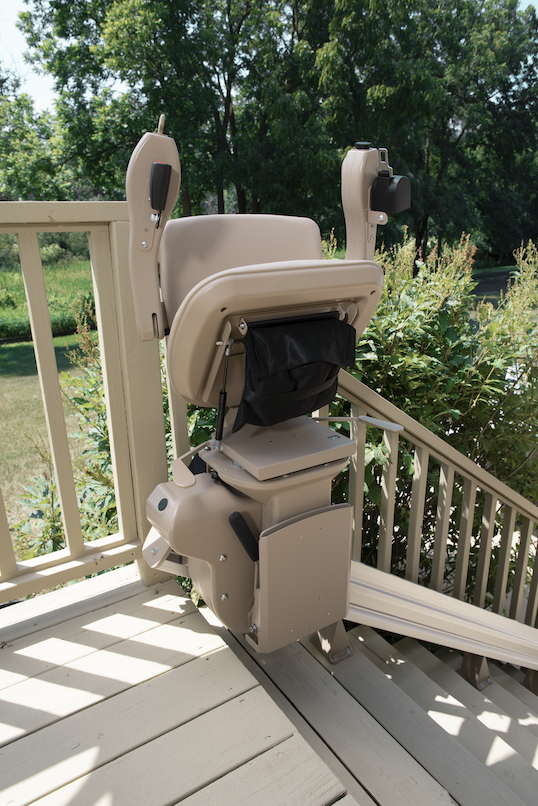
- Install a stair lift or platform lift to reduce fall risk on stairs
Outside and at Entryways
- Repair cracked or uneven walkways and porch surfaces.
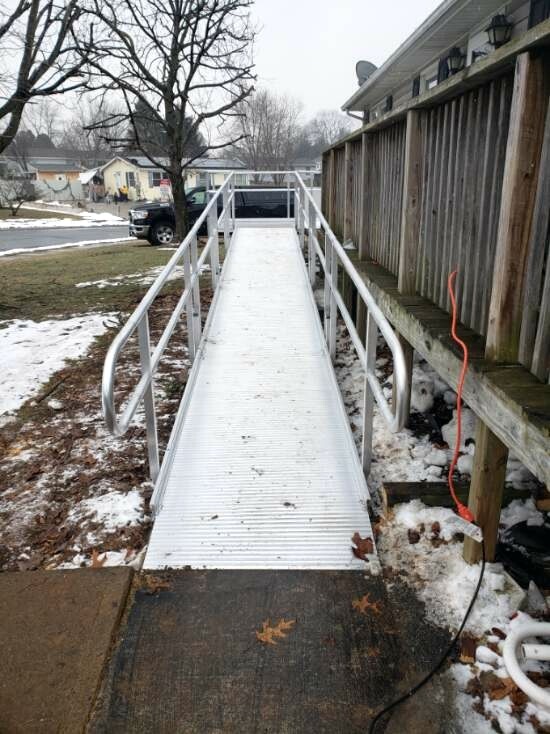
- Add a railing to every set of outdoor steps, even a single step.
- Install motion-sensor lighting near driveways and entry paths.
- Keep walkways clear of leaves, snow, and ice, particularly important in Lancaster County’s varied seasons.
Exercise Is The Best Long-Term Defense
Modifying the home addresses many at-home risks, but physical fitness is equally, if not more, important. Regular exercise that builds strength, balance, and flexibility is one of the most proven fall prevention strategies available. Recommended options for Lancaster seniors include:
- Strength Training: Resistance exercises using bands or light weights help preserve the leg strength essential for stable walking and safe chair rises. You can also strength-train to build a stronger core, back, and arms to help with balance and moving safely around your home.
- Tai Chi and Yoga: Shown in multiple studies to significantly reduce falls by improving coordination and balance. They both support muscle strength, movement, and balance.
- Physical Therapy: A licensed physical therapist can evaluate gait and balance and design a targeted plan addressing specific vulnerabilities.
Aging adults should always consult their physician before beginning a new program. The core message, though, is straightforward: moving more is one of the best things an older adult can do.
Fall-Related Details That Get Missed
Footwear is overlooked. Socks on hardwood or tile, worn-out slippers, and backless shoes are consistent fall risk factors. Older adults should wear shoes with non-slip rubber soles, low, flat heels, and secure closures, both inside and outside the home.
Vision should be checked annually. Outdated prescriptions, cataracts, and changes in depth perception from bifocals all increase fall risk in ways that often go unnoticed until something goes wrong. Any shift in vision warrants a prompt visit to an eye doctor.
Medical alert devices offer a critical safety net. Personal emergency response systems (PERS) allow a senior who has fallen to call for help immediately. Many newer models include automatic fall detection, alerting family or emergency contacts even if the wearer is unable to press the button themselves.
Do You Need In-Home Care?
Some adults who are experiencing significant difficulties with daily activities may require in-home support.
Caregivers serving Lancaster, PA can help seniors with:
- Safe bathing, dressing, and grooming that removes the need to rush or overreach
- Reminders to take medication on time
- Light housekeeping to keep floors, hallways, and common areas clear
- Meal preparation and errands to reduce unnecessary physical strain
- Transportation to appointments, including physical therapy, eye exams, and physician visits
Local Resources for Lancaster, PA Seniors
- Lancaster County Office of Aging: Connects seniors and families with home modification support, caregiver resources, and local programs.
- Penn Medicine Lancaster General Health: Physical therapy services, fall risk assessments, and orthopedic and neurological care throughout the county.
- Lancaster YMCA: Offers fitness and wellness programs for older adults, including balance and strength-focused classes.
- AARP Pennsylvania: Fall prevention workshops, advocacy, and resources for PA seniors.
- Pennsylvania PACE/PACENET: Pharmaceutical assistance for seniors managing the cost of medications linked to fall risk
Ready to Take the Next Step?
Falls don’t have to be an accepted part of getting older. With the right home environment, consistent physical activity, and dependable support, Lancaster-area seniors can stay safe and independent in the communities they’ve called home for decades.
Independent Home Solutions offers free in-home assessments throughout Lancaster County. Whether you’re considering a stair lift, a walk-in shower conversion, or just want a professional eye on what could be safer in your home, we’ll walk through it with you at no cost and no obligation. Call (717) 393-8213 or use our free estimate tool to schedule yours.