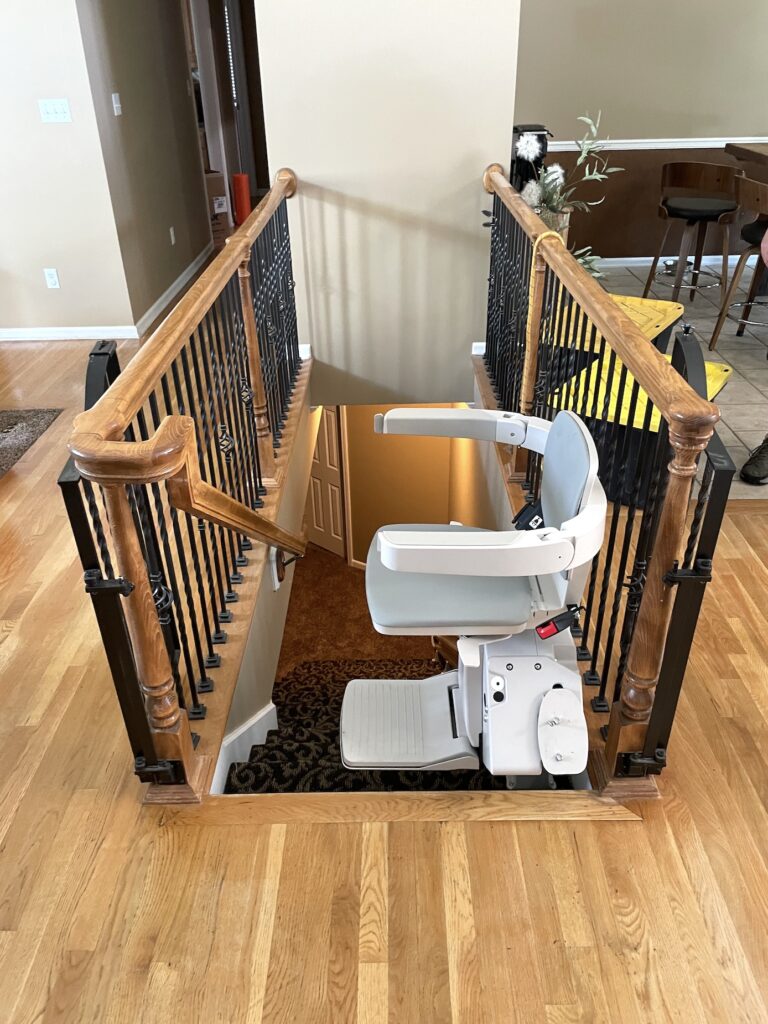
A common worry for Harrisburg homeowners with stair lifts is whether their house price will take a hit when it comes time to sell. Will buyers run the other way? Will you need to drop your asking price? The reality is more complicated than you might think.
In this article, we’ll explore how stair lifts can affect your home’s resale value and what you can do about it.
The Real Impact: What Data Shows About Stair Lifts and Property Values
Here’s what research tells us about stair lifts and home values. National studies on home modifications show that stair lifts rarely recoup their full installation cost at resale. That $3,400-$27,000 you spent installing the lift probably won’t add that much to your sale price.
But that doesn’t mean stair lifts hurt your value either. In markets with diverse demographics like Harrisburg, the impact is typically neutral. You’re not losing money on the feature, you’re just not gaining significant equity from it.
There’s an exception, though. For the right buyer demographic, a stair lift can add 2-5% to your home’s perceived value. That “right buyer” is someone who needs or wants the feature and views it as saving them time, hassle, and money on installation.
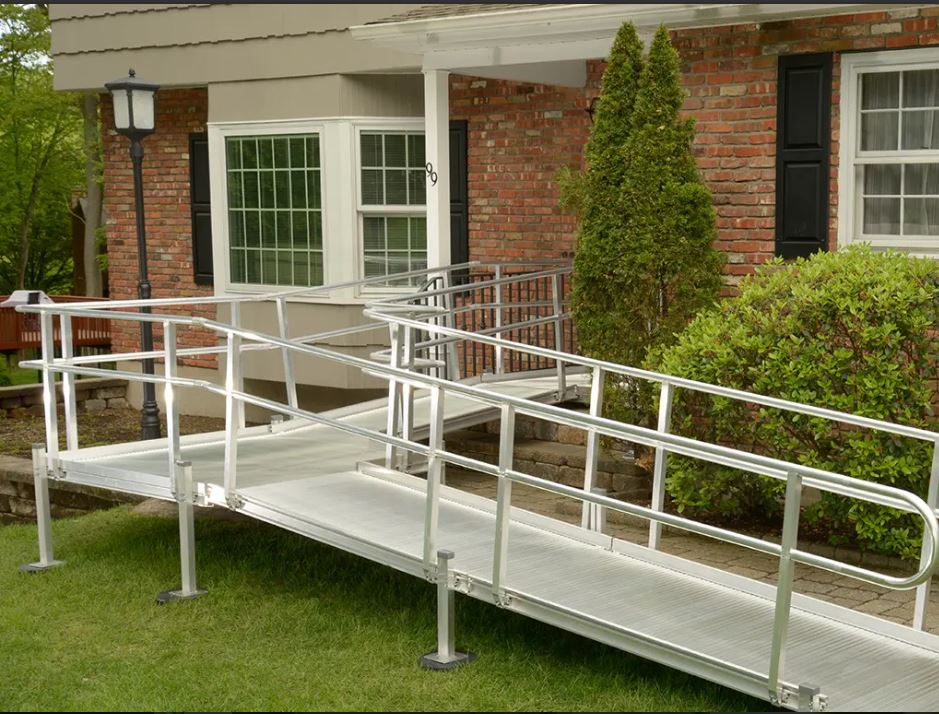
Compare this to other accessibility modifications. Ramps, widened doorways, and walk-in showers often face similar neutral-to-slightly-positive impacts, depending on who’s buying.
Who’s Looking for Homes with Stair Lifts in Harrisburg?
There are certain groups of people who may be interested in buying a home with a stair lift. These can include:
- Aging adults/retirees
- Adult children purchasing homes for aging parents
- People dealing with temporary mobility issues
Not all demographics are interested in homes with stair lifts, and to some, it may even be a negative.
When a Stair Lift Becomes a Selling Point
Strategic positioning can turn your stair lift from a question mark into an asset.
Properties in or near 55+ communities benefit most from stair lifts. Homes with desirable first-floor features, a bedroom, a full bathroom, and laundry, paired with stair access to additional space upstairs, become particularly attractive. You’re offering single-level living with bonus space.
Price point matters. Homes in the $200k-$350k range in Dauphin County tend to attract the demographics most interested in accessibility features.
Marketing approach makes a difference, too. Frame the stair lift as a luxury feature, not medical equipment. Emphasize quality brands, Bruno, Stannah, and Acorn, and highlight the remaining warranty coverage. Put it in the “special features” section of your listing rather than burying it in the description.
Target your advertising to appropriate demographics. Senior publications, retirement community bulletin boards, and healthcare facility newsletters reach buyers who value accessibility.
Red Flags That Signal Removal Might Be Better
Sometimes keeping the stair lift doesn’t make sense. Here’s when you should consider removing the stair lift:
- The stair lift unit is visibly worn or outdated
- You have narrow staircases with little space for walking
- The stair lift model’s aesthetic doesn’t match the house
- If you’re targeting first-time homebuyers or young families
- If your realtor suggests removing them
The removal process typically takes 2-4 hours, and professional removal runs $200-$500. Some companies will buy back used equipment, offsetting your costs. DIY removal is possible, but you’ll still need to properly patch walls and repaint, which takes skill.
Preparing Your Harrisburg Home for Sale with a Stair Lift
If you’re keeping the lift, preparation matters.
Schedule professional servicing and a safety inspection before listing. Deep-clean the unit and track. Accumulated dust and grime make everything look worse. Test all functions multiple times to catch any issues before showings.
Gather your paperwork. You’ll want the original purchase receipt, the installation date, a complete service history, inspection reports, the owner’s manual, warranty information, and, if you had work done, electrical certification. Have the installation company’s contact info available, too.
Research comparable sales in your specific Harrisburg neighborhood. What sold, what didn’t, and whether other homes with accessibility features moved quickly or sat on the market.
For staging, position the chair at the top or bottom of the stairs, not in the middle, where it blocks the view. Make sure the stairwell has adequate lighting. Remove any other medical equipment or clutter that reinforces a medical narrative; you want buyers to see a home feature, not a hospital.
Making an Informed Decision for Your Harrisburg Property
Your stair lift’s impact depends on your target buyer, neighborhood characteristics, and how you present the feature. Harrisburg’s diverse market means opportunities exist regardless of which approach you take.
Consider your timeline and financial goals. If you need to sell quickly, strategic pricing matters more than the stair lift. If you have flexibility, targeting the right demographic could yield better results.
Remember that one person’s drawback is genuinely another person’s desired feature. The key is matching your property with buyers who value what you’re offering.
Frequently Asked Questions
Should I remove my stair lift before listing my Harrisburg home?
It depends on your target market. If you’re in a neighborhood that attracts retirees or families caring for aging parents, keep it. If you’re in an area popular with young professionals or first-time buyers, removal might help. Your realtor can provide specific guidance based on recent sales in your area.
What do Harrisburg home buyers think about stair lifts?
Opinions split by demographics. Senior buyers and multi-generational families view them positively. Young professionals and families often see them as unnecessary. State employees relocating to Harrisburg for work typically fall somewhere in the middle, depending on their age and family situation.
Can I write off stair lift costs when selling my home?
No, the IRS treats stair lifts as medical equipment rather than home improvements. You may have been able to deduct the cost as a medical expense in the year of installation, but you can’t add it to your home’s cost basis for capital gains purposes. Consult a tax professional for guidance specific to your situation.