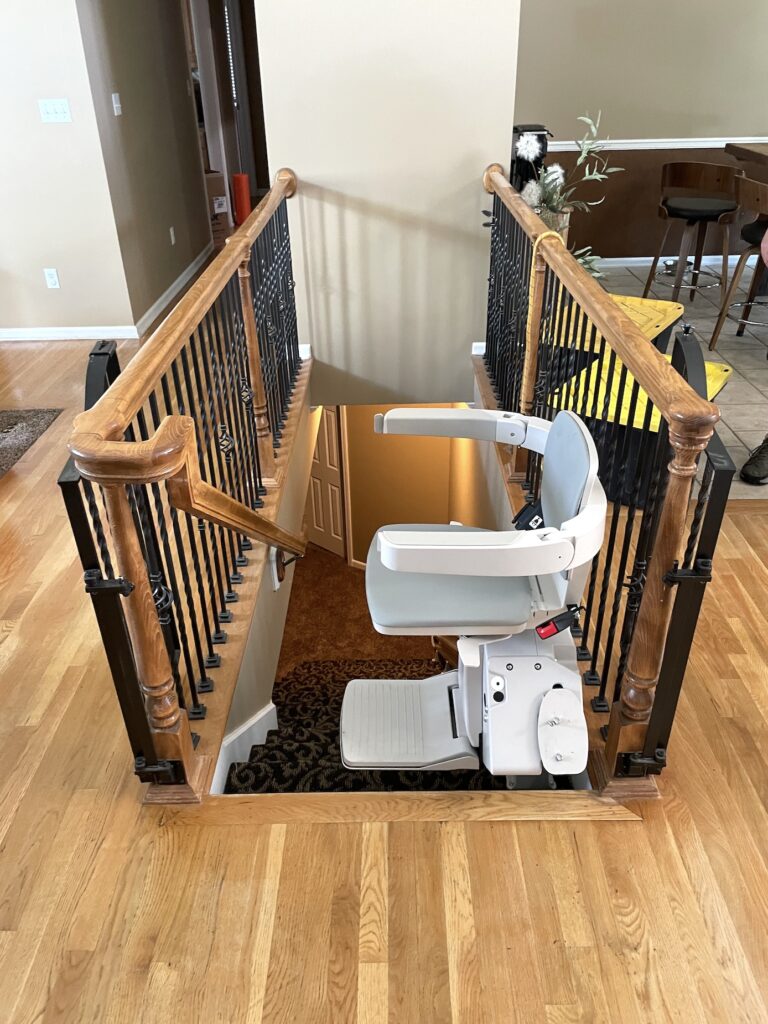

There’s a myth that stair lifts automatically hurt your home’s resale value. Sellers worry they’ll scare off buyers or force them to slash their asking price. While this may be true for young families, it’s not true for all buyers.
In this article, we’ll look at what can happen to home values when you have a stair lift and practical tips you can follow to sell.
How Stair Lifts Actually Impact Your Bottom Line
Let’s talk numbers. A straight-rail stair lift system costs $3,400-$10,000 for most Lancaster homes. Curved rail systems cost $5,000 to $27,000, depending on complexity, and also outdoor models typically fall within that range.
Here’s the financial reality: you rarely recoup the full installation cost at resale. In most markets, you’ll recover 20-40% of what you spent on the stair lift. That said, with the right buyer, you can see 50-70% recovery, particularly in areas with established senior populations.
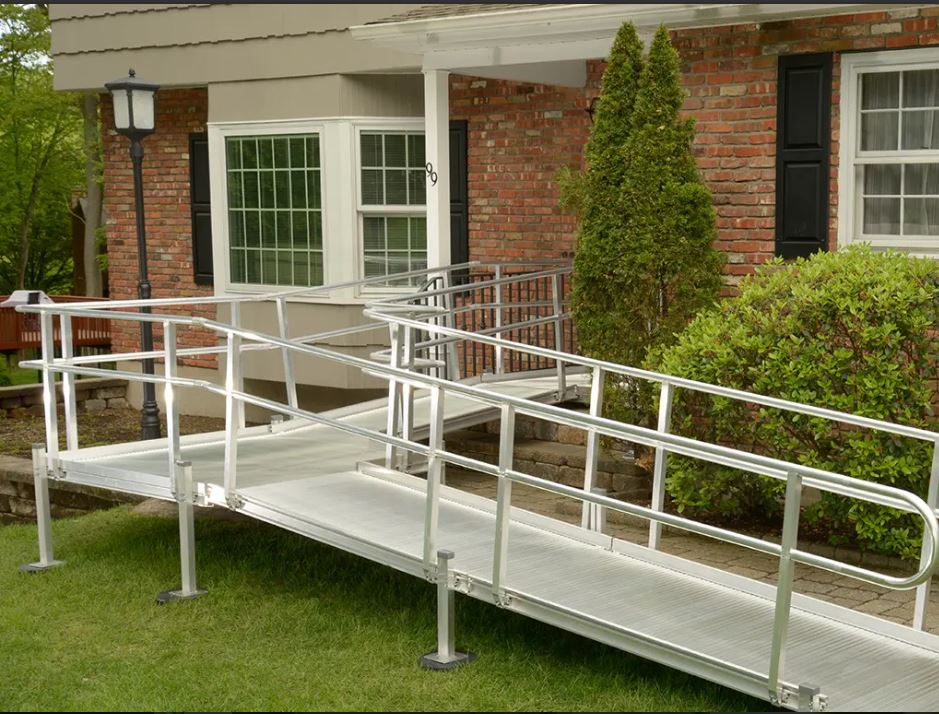
Compare that to other modifications. Bathroom renovations, such as walk-in showers, might return 60-70% on average. Wheelchair ramps see similar numbers to stair lifts. The difference is that stair lifts don’t permanently alter your home’s structure or aesthetics the way some modifications do.
Something important to understand: appraisers view stair lifts as personal property, not home improvements. They won’t typically add to your assessed value for tax purposes. But buyer perception matters more than technical valuation. If a buyer sees your stair lift as saving them $5,000-$10,000 in installation costs and weeks of contractor hassles, that perception influences their offer even if the appraiser doesn’t factor it in.
Smart Strategies: Positioning Your Property for Success
If you’re keeping the stair lift for your sale, marketing matters more than you might think.
Here are marketing strategies that can help you sell your home (without removing the stair lift):
- Emphasize “forever home” potential in your listing.
- Highlight accessibility features such as first-floor amenities, wheelchair ramps, walk-in showers, etc.
- Mention proximity to senior centers, healthcare, cultural amenities, and social networks
- Include the stair lift in virtual tours, but don’t focus on it solely
- Use professional photography and capture the chair lift in a “parked” position at the top or bottom of the stairs
When Should You Remove Stair Lifts in Lancaster?
Even in retirement-friendly Lancaster County, stair lift removal sometimes makes sense.
Situations when you should consider removing the stair lift before selling:
- If your home appeals primarily to young families
- The stair lift is an old, outdated unit
- You have a narrow staircase
- The stair lift doesn’t match the aesthetic of the home
Do a real cost-benefit analysis. What’s the cost of removal versus any potential price increase or a faster sale? What’s the time on market with versus without, based on comparable sales? What feedback are you getting from showings? Sometimes the data tells you removal makes financial sense, sometimes it doesn’t.
Frequently Asked Questions
Are stair lifts more valuable in Lancaster than in other areas?
Maybe, if you have interested buyers who are seeking better home accessibility for mobility issues, then stair lifts are a huge asset.
What’s the best time of year to sell a Lancaster home with a stair lift?
Spring and fall see the highest senior buyer activity in Lancaster. These seasons coincide with retirement community marketing pushes and when retirees typically make moving decisions. Late winter and summer can work too, but expect slightly longer market times.
Will a stair lift affect my home appraisal in Lancaster?
Appraisers typically view stair lifts as personal property rather than permanent home improvements, so they don’t directly add to assessed value. However, the overall accessibility of your home and how it compares to similar properties can indirectly influence appraisal, particularly if accessibility is a significant market factor in your specific neighborhood.