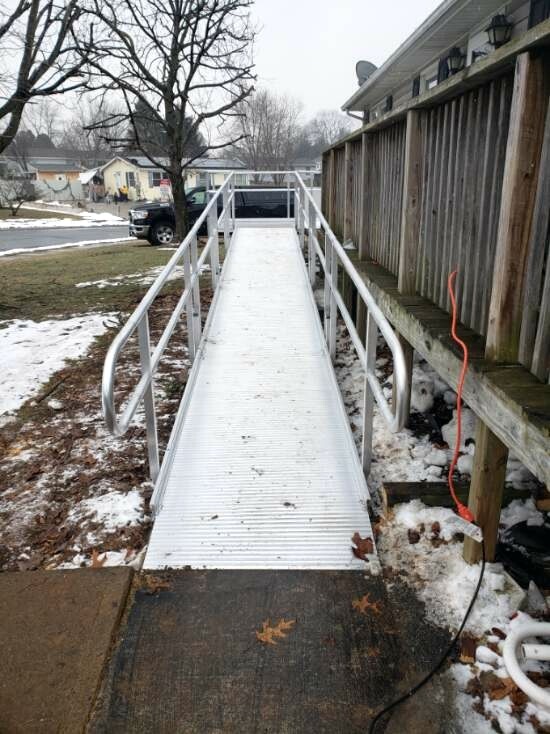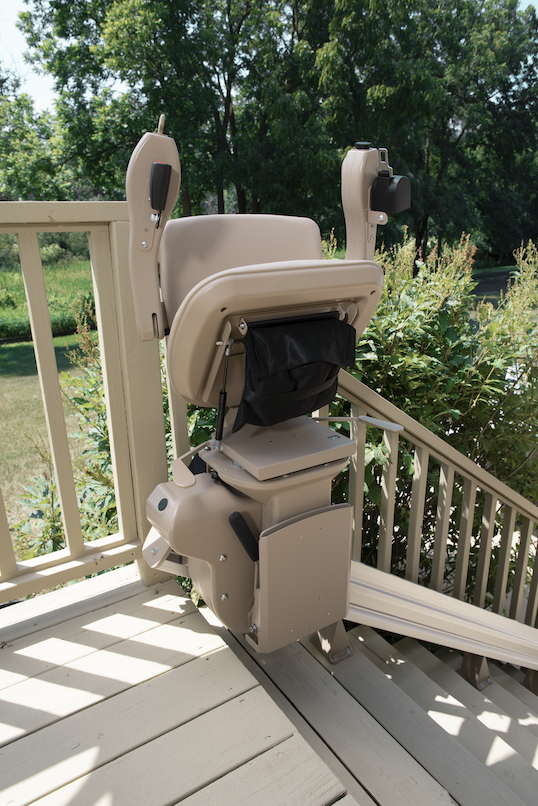
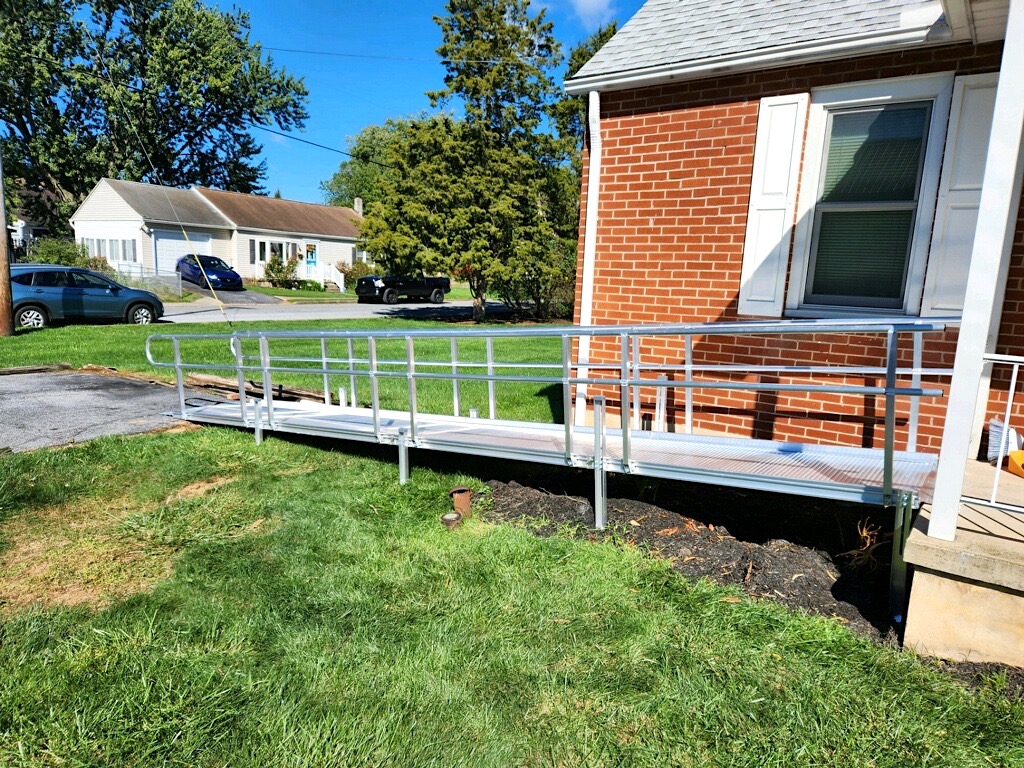
Getting in and out of your home when you’re using a scooter, wheelchair, or walker is easiest when you have mobility aids, like ramps, installed at key entrances and exits. It enables you to use your home safely.
But wheelchair ramps are not one-size-fits-all. The right ramp for your home depends on your specific entry point, how you plan to use it, your budget, and whether the installation needs to be permanent. Here is what to think through before making a decision.
Step One: Look at Your Steps
The first thing to look at is how many steps you need to get over and how high they are. This matters because ramp length is determined by rise, which is the total height from the ground to the top of the step or landing.
The standard guideline for wheelchair ramps is a 1:12 slope ratio. Meaning for every inch of rise, you need at least 12 inches of ramp. A front door that sits 24 inches above the ground requires a ramp at least 24 feet long to be safe for most wheelchair users.
If the rise is small, one or two steps, a ramp is usually straightforward. Larger rises require longer ramps, which take up more space and may necessitate a landing or a switchback turn.
Step Two: Consider Types of Wheelchair Ramps
There are different wheelchair ramp types, including:
- Modular ramps: a prefabricated aluminum ramp with sections that bolt together. They are strong, weather-resistant, and can be configured in different shapes to fit your entry. Modular ramps can also be disassembled and moved if you relocate or no longer need them. This makes them a popular choice for renters and homeowners who want flexibility. Installation typically takes a single day.
- Portable ramps: a shorter ramp designed for low-rise steps (usually one or two steps). They are lightweight and can be moved or stored when not in use. They work well for visiting family members, travel, or situations where a permanent ramp is not practical. They are not a good solution for steep rises or daily use.
- Wooden ramps: a custom-built wheelchair ramp made on site to match a specific entry. They can be designed to fit unusual layouts and can be built to look like a natural part of the home. Wood requires more maintenance than aluminum and will need to be treated, painted, or sealed to withstand Pennsylvania weather.
- Threshold ramps: small ramps designed to bridge a single low step or a raised threshold at a doorway. They are inexpensive and simple, and they work well for power wheelchairs and scooters moving between rooms or over a small lip at a door.
Step Three: Consider Who Will Use the Ramp
The type of wheelchair or mobility device you’re using matters. A manual wheelchair pushed by a caregiver has different needs than a power wheelchair or a heavy mobility scooter. Power wheelchairs and scooters are heavier and need a ramp with a higher weight capacity and a firm, stable surface.
Consider whether the person using the ramp can push themselves or will need assistance. A steeper slope may be manageable with a caregiver pushing, but a self-propelling wheelchair user needs a gentler slope. If self-propelling is the goal, a longer, gentler ramp is worth the extra space.
Also, think about other people in the household. A ramp that works well for a wheelchair user should still allow other family members to walk up and down safely. Most well-built ramps include handrails on both sides, which help everyone.
Step 4: Indoor vs. Outdoor Ramps
Outdoor ramps need to handle rain, ice, and temperature swings. Pennsylvania winters bring freezing temperatures and snow, making surface materials and traction critical. Aluminum modular ramps come with textured, non-slip surfaces that drain well and hold up in winter conditions. Wooden ramps need anti-slip strips or coatings to be safe when wet.
Indoor ramps are common for doorway thresholds or transitions between rooms. They tend to be smaller and simpler, and weather resistance is less of a concern. Surface material still matters for traction, particularly if the floor nearby is smooth or polished.
Step 5: Permits and HOA Rules
In Pennsylvania, permanent ramp construction may require a building permit depending on your municipality. Your contractor should be familiar with local requirements and pull the necessary permits before work begins. If you live in a community with a homeowners’ association, check whether there are rules around exterior modifications before committing to a design.
Step 6: Installation Options
You should always hire a reputable wheelchair ramp installer. Look for businesses with good reviews and references from other customers in your area, such as Independent Home Solutions.
Schedule a free consultation by calling 717-393-8213.
Frequently Asked Questions
How much does a wheelchair ramp cost?
Wheelchair ramp prices depend on the ramp’s length and the material used. Most home installations cost between $6,000 and $10,000 for long-lasting materials.