Stair lift units have different weight capacities based on the brand, model, and type. Knowing which stair lift works for your body ensures you can get up and down the stairs safely.
Here’s everything you need to know about stair lift weight limits and how to ensure you’re using them safely.
Quick Overview
- Stair lifts often have a weight limit of 300 pounds, but bariatric models support between 400 and 600 pounds.
- Bariatric stair lifts are more expensive than regular stair lift models.
What is the Standard Stair Lift Weight Limit?
Most standard stair lifts support up to 300 pounds. This covers the majority of users and applies to most models from quality brands like Bruno, which Independent Home Solutions installs throughout Central Pennsylvania.
Bariatric Stair Lifts
For users who need more capacity, bariatric stair lifts are built to handle between 400 and 600 pounds, depending on the model. They have reinforced components, wider seats, and sturdier construction throughout.
The tradeoff is cost. Bariatric models are more expensive than standard units, but they’re designed to perform just as reliably day to day.
If you’re close to the upper range of a standard model or think a bariatric unit might be a better fit, the easiest way to determine that is during a free in-home assessment.
Why Should You Stay Within Weight Limits?
Using a stair lift beyond its rated capacity places additional stress on components such as the motor, gearbox, and rail. This can lead to faster wear, requiring more frequent repairs and eventually posing safety risks.
Following weight-limit guidelines is the easiest way to protect yourself and the stair lift.
Seat Size and Comfort Are Separate from Weight
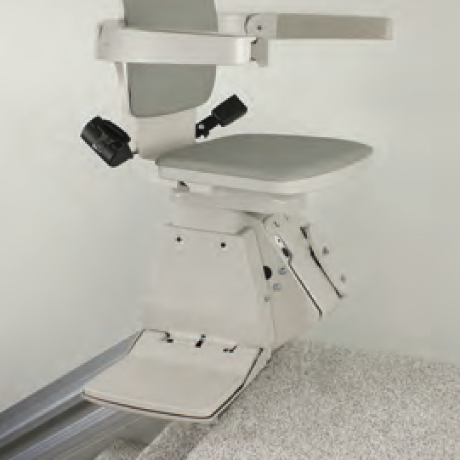
Weight capacity and physical comfort are related but not the same thing. Some users who fall within the standard 300-pound limit may still find a standard seat too narrow or the armrest spacing too tight. Seat width, armrest clearance, and footrest size all affect how comfortable and secure the ride feels.
Staircase Considerations for Heavier Models
One thing Pennsylvania homeowners should know is that bariatric stair lifts are slightly wider than standard models. If your staircase is on the narrower side, a technician will need to confirm there’s enough clearance during the assessment.
Most staircases in the Harrisburg, Lancaster, Reading, and York areas accommodate both standard and bariatric models without issue, but we recommend checking before ordering.
Talk to an Installer Before Deciding
Weight capacity is not a one-size-fits-all decision. A certified technician can assess your staircase, discuss your needs, and point you toward the right model without any guesswork.
Call Independent Home Solutions at 717-393-8213 to schedule a free in-home assessment. Currently, our service areas in Pennsylvania include Harrisburg, Lancaster, Philadelphia, Reading, and York.
Frequently Asked Questions
What is the weight limit on a standard stair lift?
Most standard models support up to 300 pounds. Bariatric options are available for users who need higher capacity.
How much weight can a bariatric stair lift hold?
Bariatric stair lifts typically support between 400 and 600 pounds, depending on the model.
Does a bariatric stair lift cost more?
Yes. The reinforced construction and wider seat make bariatric models more expensive than standard units.
What if I am close to the weight limit of a standard model?
It’s worth discussing with your installer before purchasing. They can help you decide whether a standard model is appropriate or a bariatric unit would be the safer, more comfortable choice.
Will a bariatric stair lift fit on a narrow staircase?
Bariatric models are slightly wider than standard units, so staircase width is worth confirming during an in-home assessment. Most staircases in Central Pennsylvania accommodate them without issue.