Showers and bathtubs can be a dangerous place for those struggling with mobility issues. Home modifications, such as walk-in showers, can reduce the risk of falls or injuries.
But how do you know if a walk-in shower is suitable for you? In this article, we’ll walk through everything you need to know about walk-in showers, including what walk-in showers are, their benefits, and their costs.
What’s the Difference Between a Walk-in Shower and a Regular Shower?
Imagine a typical American bathroom. It has a bathtub/shower combination with a shower curtain. The bathtub in a standard home is 14” to 17” high, which you’ll have to step over to get into the shower.
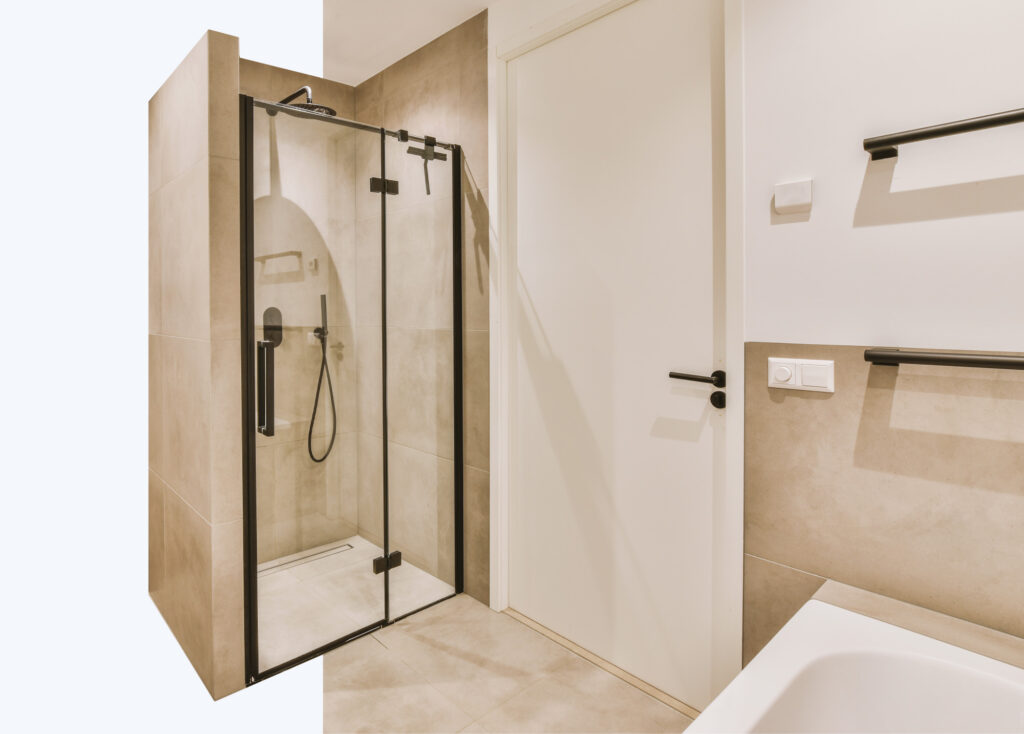
A walk-in shower is different because it eliminates the need to “step into” the shower and includes safety features like grab bars. Most walk-in showers have an entrance of 0” to 4”, making it easy to step in and out.
They’re a modification you can make to your home so you can live there even if you’re struggling with arthritis or other mobility problems.
What Are the Benefits of Walk-In Showers?
Walk-in showers have many benefits. They typically have added safety features, such as handrails or grab bars, to prevent slipping or falling.
The main benefits include:
- More spacious than standard shower-and-tub combinations. Most walk-in showers are larger than traditional tubs, making it easy to move around.
- Accessibility. The 0” or 4” entrances are designed to make the shower easily accessible.
- Increased independence. You can step into the shower area without using a walk-in shower. You can also sit on a shower seat to make cleaning easier.
- Easy to clean. A walk-in shower has straight lines and fewer crevices than a standard bathtub, making cleaning easier.
What Are the Signs You (or a Loved One) Need a Walk-In Shower?
Unsure if you or a loved one needs a walk-in shower? Here are a few indicators that a walk-in shower may be suitable for you:
- You struggle to lift your legs over the side of a traditional bathtub
- There are no grab bars or handrails in your current shower
- You sometimes feel lightheaded, dizzy, or out of breath while showering
- You’ve fallen in the shower before
- You sit down while showering
Are Walk-In Showers Necessary?
Walk-in showers aren’t necessary for everyone. However, they can help reduce worry or risk factors that contribute to falls.
Data from the Centers for Disease Control and Prevention shows that “Approximately 80% of all bathroom injuries were caused by falls, with the highest injury rates in the oldest age groups.”
What does that mean for you? If you’re worried about showering safely or are concerned about a loved one, installing a walk-in shower may be a great solution.
Other options include moving to an assisted living facility, where you can receive assistance with activities of daily living, such as showering. On average, assisted living facilities cost $54,000 per year.
How Much Do Walk-In Showers Cost?
Walk-in showers typically cost between $12,000 and $15,000. Most home modification companies offer a free in-home assessment and estimate before you commit.
Contact us at 717-393-8213 for a free consultation.
Will Medicare Pay for a Walk-In Shower?
No, Medicare usually does not pay for walk-in showers. They do cover durable medical equipment, but walk-in showers are generally an out-of-pocket expense for most.
Some Medicare or Medicaid plans may cover a portion of the total cost. Call your coverage provider and ask about policies or support for walk-in showers.
Other Financing Options for Walk-In Showers
There are other types of assistance, which can include payment plans, grants, and public financial assistance programs:
- Financing options from home modification companies like Independent Home Solutions (IHS)
- Rebuilding Together
- Single Family Housing Repair Loans & Grants
- Help at Home (Options)
Frequently Asked Questions
Is a walk-in shower cheaper than a tub?
No, tubs are usually less expensive than walk-in showers, but they lack the safety features of a walk-in shower. Bathtubs cost between $800 and $4,600, and walk-in showers cost, on average, $12,000 to $15,000.
How long does installation take for walk-in showers?
It typically takes a few days to install a new walk-in shower, but the timeline depends on the bathroom size and any additional modifications, such as extra grab bars or handrails. During the initial assessment, the installation team will provide you with an estimate of how long the installation will take.
Are there cheaper alternatives to installing a walk-in shower?
Yes, you can install grab bars or use a shower chair if you want a more cost-effective way to use your shower safely.
How can I find a good company in Central Pennsylvania to install a walk-in shower?
Independent Home Solutions is a trusted provider in Central Pennsylvania. We can help with different home modification products such as walk-in showers, stair lifts, outdoor lifts, and wheelchair ramps. Our service areas in Pennsylvania include Harrisburg, Lancaster, Reading, and York.